

We’ve all been there, you unlock your phone “just for a minute,” and suddenly you’ve spent an hour scrolling through news, notifications, and endless feeds. What starts as an attempt to stay informed often turns into doomscrolling, an unintentional dive into distressing, alarming, or overwhelming content. And instead of feeling informed, you end up feeling …


We’ve all been there, you unlock your phone “just for a minute,” and suddenly you’ve spent an hour scrolling through news, notifications, and endless feeds. What starts as an attempt to stay informed often turns into doomscrolling, an unintentional dive into distressing, alarming, or overwhelming content.
And instead of feeling informed, you end up feeling anxious, tense, or emotionally drained.
🌪 Why Doomscrolling Happens
Doomscrolling isn’t a lack of discipline, it’s biology.
Our brains are wired with a negativity bias, meaning we instinctively pay more attention to potential threats than neutral or positive information. In times of uncertainty or crisis, this instinct becomes stronger.
Checking the news feels like gaining control, but in reality, it often leaves us more unsettled.
Add to that the infinite scroll design of apps, curated algorithms, and 24/7 updates, and it becomes easy to slip into a cycle without noticing.
💥 How Doomscrolling Impacts Your Mental Health
Heightened Anxiety
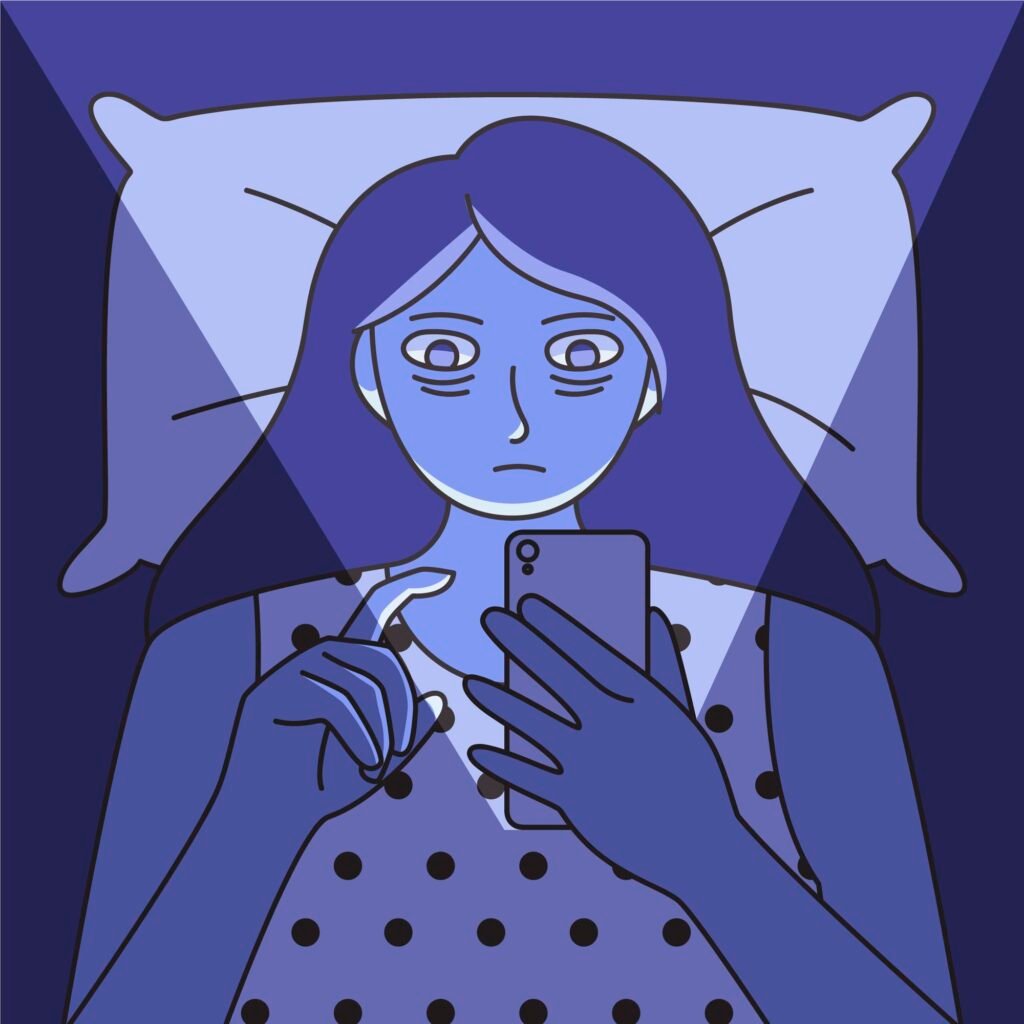
Consuming back-to-back negative content activates the body’s stress response, raising cortisol, increasing worry, and keeping the nervous system on high alert.
Sleep Disruption
The mix of blue light and emotional stimulation tricks your brain into staying awake, making it harder to fall asleep or stay asleep.
Emotional Numbness
Too much exposure to distressing content can desensitise you, making everything feel “too much” or “nothing at all.”
Reduced Focus & Motivation
Mental fatigue from constant information overload can reduce productivity, creativity, and the ability to stay present.
Comparison & Self-Doubt
Social media doomscrolling often leads to comparing your life to curated versions of others, lowering self-worth.

🌿 How to Break the Cycle (Gently)
You don’t need to quit your phone. Just create healthier boundaries:
1. Set Time Limits for News & Social Media
Even 10–15 minutes twice a day keeps you informed without overwhelming your mind.
2. Create “No-Phone Zones”
Start with:
- Before bed
- During meals
- First 30 minutes after waking
These mini-boundaries make a significant difference.
3. Replace Mindless Scrolling with Mindful Breaks
Try:
- Stretching
- Reading 1–2 pages of a book
- Breathing exercises
- Sitting in silence for a minute
4. Curate What You Consume
Follow pages that uplift, add value, or calm you — not just those that trigger alarm or urgency.
5. Do a Digital “Emotional Check-In”
Ask yourself:
“Why am I opening this app right now, boredom, fear, habit, or real need?”
Awareness breaks autopilot.
6. Limit Push Notifications
You don’t need 100 alerts a day. Silence what’s unnecessary.
🌈 A Gentle Reminder
Staying informed is healthy.
Staying overwhelmed is not.
The world will still be there when you put your phone down — but you will meet it with more calm, clarity, and emotional resilience.
Your peace is not a luxury. It’s a boundary.
✨ Activity: The 5-Minute Digital Reset

Try this once a day:
- Put your phone screen face down.
- Take 5 slow, deep breaths.
- Notice what your body feels like without stimulation.
- Do one grounding action: drink water, stretch, or step outside.
- Ask: “Do I really want my phone, or do I want a break?”
This tiny reset helps break the doomscroll autopilot and reconnects you with the present moment.
🌸 Final Word
Doomscrolling is a modern habit but so is choosing gentleness.
You don’t have to disconnect from the world; you just need to reconnect with yourself.
Start with small digital boundaries, and let your mind breathe again.
Credits: Therapist Namrata