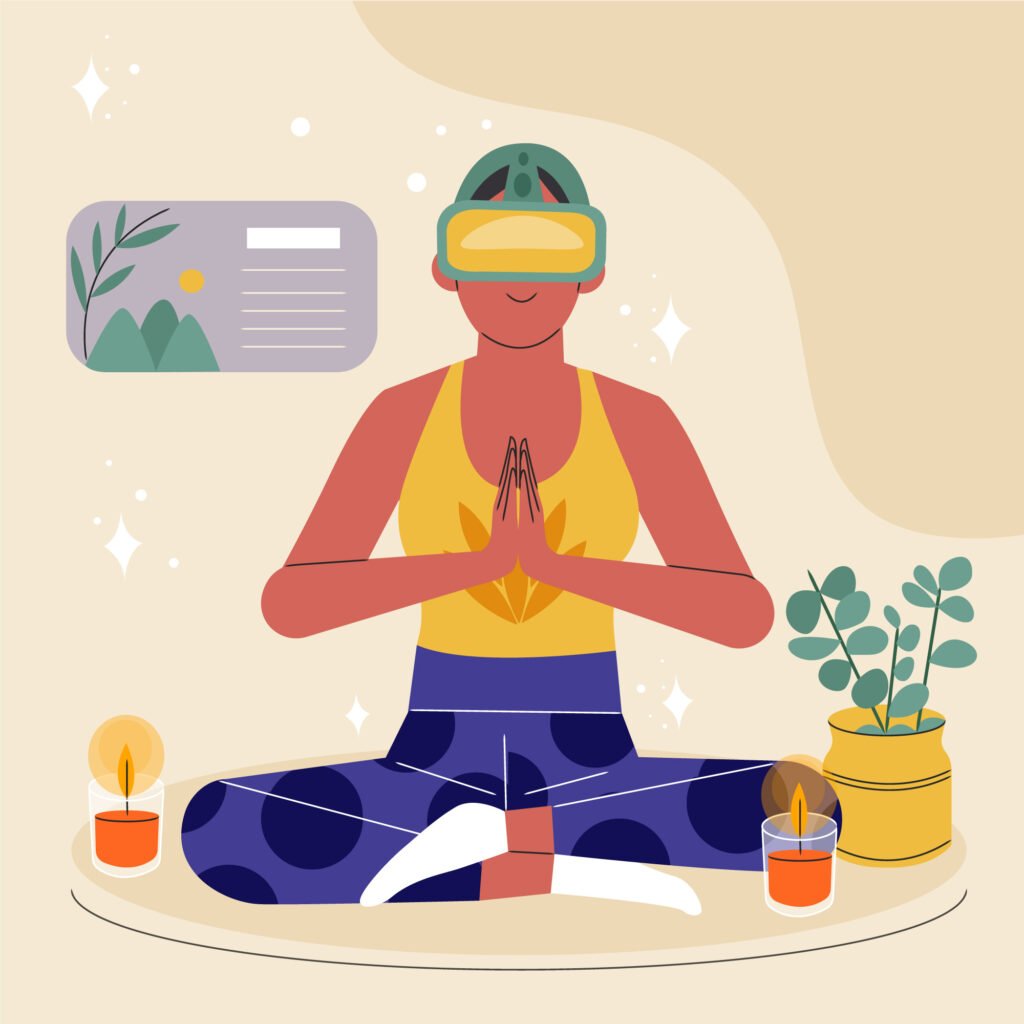


Exams are a significant part of student life. They bring growth, opportunities, and milestones, but they also come with pressure, expectations, and worry. Whether it’s butterflies before a test, difficulty focusing, or the fear of forgetting everything in the exam hall, exam stress is something almost every student experiences. The good news? Stress is manageable, …


Exams are a significant part of student life. They bring growth, opportunities, and milestones, but they also come with pressure, expectations, and worry. Whether it’s butterflies before a test, difficulty focusing, or the fear of forgetting everything in the exam hall, exam stress is something almost every student experiences.
The good news? Stress is manageable, and with the right tools, it can even become fuel instead of fear.
Why Do Exams Feel So Stressful?
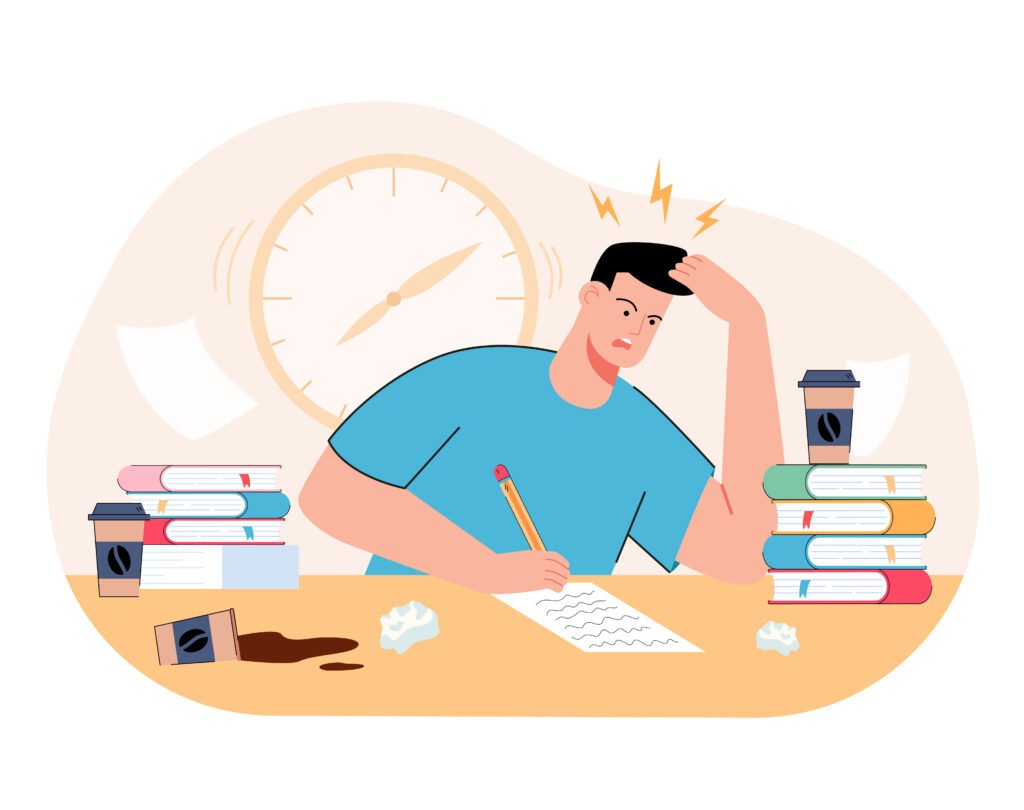
Exams are rarely “just exams.” They often carry layers of meaning:
- expectations from family or teachers
- comparison with peers
- fear of failure or disappointing someone
- concerns about future opportunities
- long study hours with very little rest
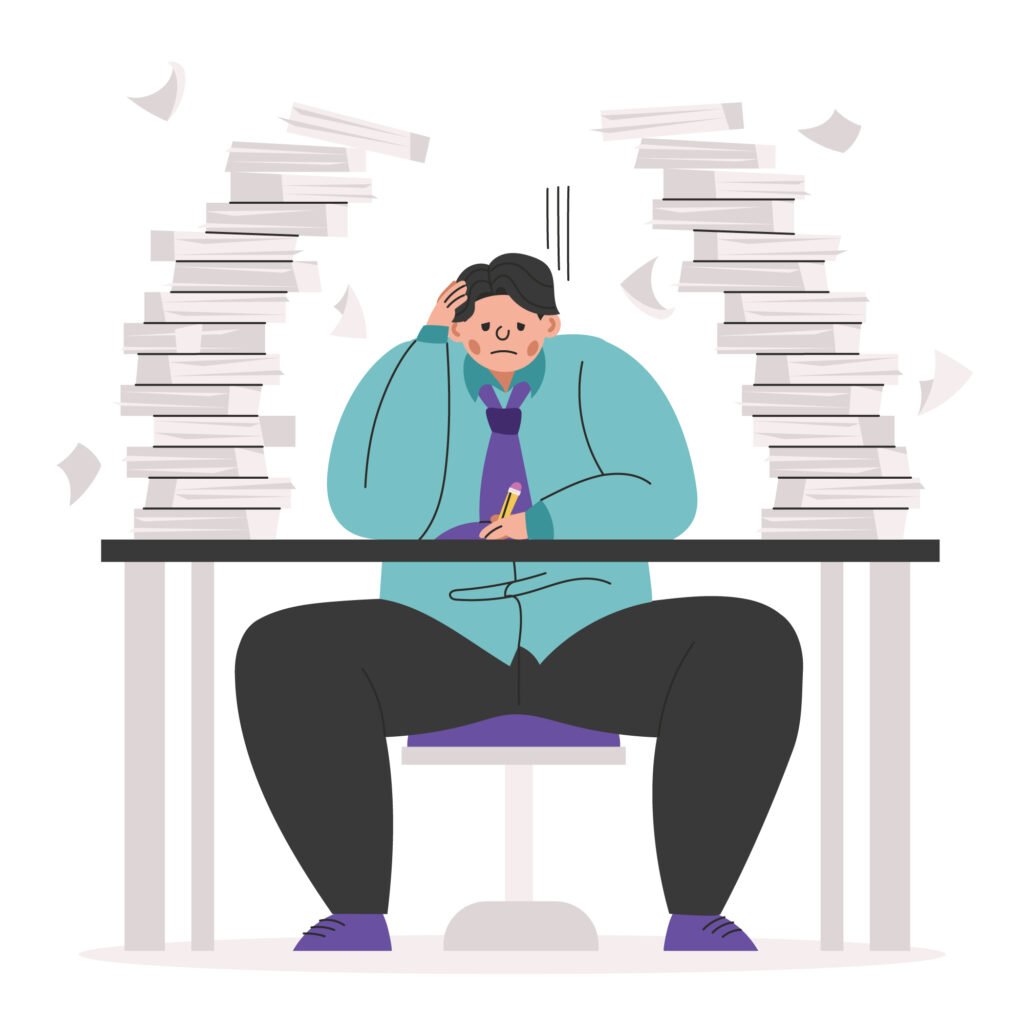
On a biological level, the brain is wired to react strongly to anything uncertain, and exams are full of unpredictability. This triggers the stress response, making students feel anxious, overwhelmed, or emotionally stuck.
A little stress can be motivating. But too much can drain energy, confidence, and concentration.
Signs You May Be Experiencing Exam Stress
Stress often shows up in the body before the mind notices. Some common signs include:
- trouble sleeping or constant tiredness
- irritability or mood swings
- racing thoughts
- difficulty focusing
- headaches, stomach aches, or a fast heartbeat
Recognising these signs early helps you take supportive action before stress builds up.
Practical Ways to Cope With Exam Stress
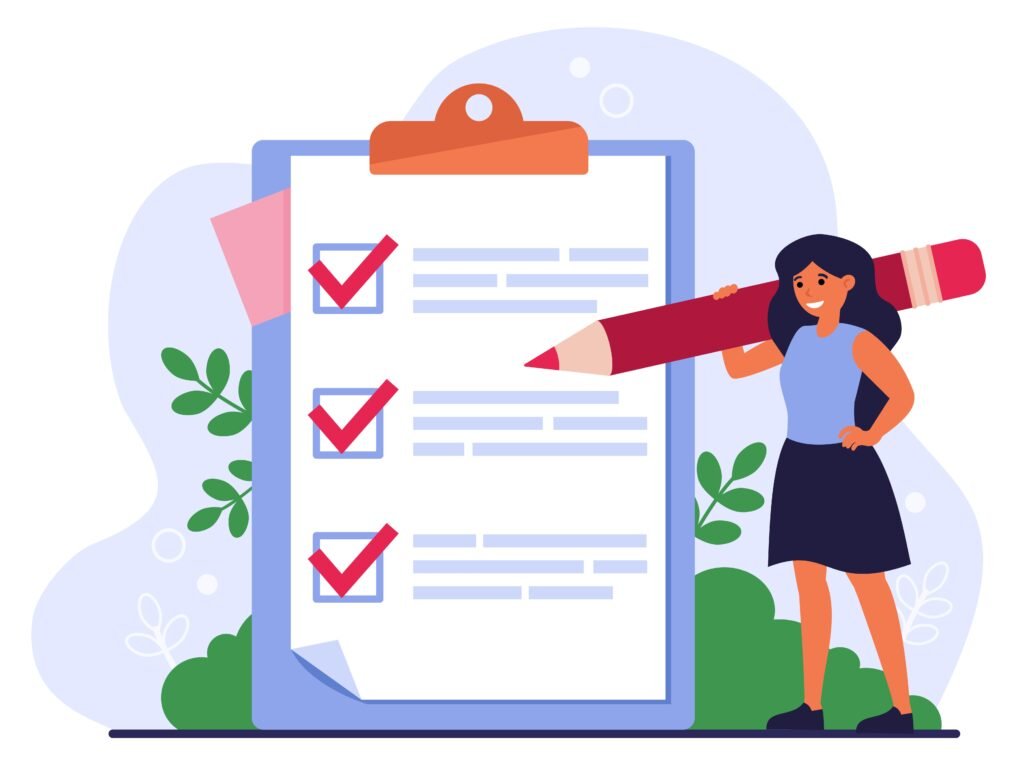
1. Plan — Don’t Cram
Break your syllabus into smaller chunks. Study in 30–45 minute sessions with short breaks. This helps the brain absorb information better and prevents burnout.
2. Take Care of Your Body
Eat balanced meals, sleep well, and move your body. Even a 10-minute walk can improve memory and calm nervous energy.
3. Practice Relaxation
Try simple breathing techniques such as the 4-4-6 breath: inhale for 4 seconds, hold for 4, exhale for 6.
It signals your body to relax instantly.
4. Talk About It
Sharing your worries with a parent, sibling, teacher, or friend reduces emotional load. Sometimes just verbalising stress makes it smaller.
5. Keep Perspective
Exams are important — but they aren’t a measure of your worth. You are learning, growing, trying, and showing up.
Grades can change. Your effort stays with you.
On Exam Day
- Sleep early the night before
- Avoid last-minute panic revision
- Reach early to avoid rushing
- Breathe deeply before beginning
- Start with the questions you know
These small steps help settle the mind and create momentum.
🧩 Activity: The “Study Calm Corner” Setup
A fun, practical way to reduce exam stress.
Create your own “Study Calm Corner” at home:
- Choose a small spot — a chair, desk corner, or floor mat
- Keep only what helps you stay calm: a notebook, pens, water bottle
- Add one calming element: a candle, soft light, plant, or calming playlist
- Before each study session, take five deep breaths in this space
This trains your brain to associate the spot with calm, focus, and learning.
Over time, it becomes your personal exam-stress reset space.
A Gentle Final Word
Stress during exams doesn’t mean you’re weak, it means you care.
With preparation, rest, support, and compassion, you can face exams with steadiness instead of fear.
Remember:
A single exam cannot define you, but how kindly you treat yourself during stressful times can shape you.
You’re learning, trying and growing.
And that’s what truly counts.
Credits: Therapist Namrata