


In recent years, technology has quietly woven itself into our emotional lives. From mood-tracking apps and guided meditation platforms to AI chatbots offering journaling prompts or words of reassurance, mental health support is becoming more digital, more accessible, and less stigmatized. For many, this is a welcome shift. Support that once felt intimidating or expensive …


In recent years, technology has quietly woven itself into our emotional lives. From mood-tracking apps and guided meditation platforms to AI chatbots offering journaling prompts or words of reassurance, mental health support is becoming more digital, more accessible, and less stigmatized.
For many, this is a welcome shift. Support that once felt intimidating or expensive is now just a tap away.
But as with any powerful tool, the real question is not whether we use AI for mental health, but how we use it.

The Promise of AI in Mental Health Support
AI-powered tools and mental health apps can offer meaningful support in everyday life. When used well, they can:
- Help track moods, habits, and emotional patterns over time
- Offer gentle prompts for self-reflection or journaling
- Suggest grounding exercises during moments of stress
- Provide psychoeducation in a private, judgment-free space
For people who may not yet be ready for therapy, or who are navigating access barriers, these tools can act as a first step, a bridge toward greater self-awareness and care.
They can also reduce stigma. Sometimes it feels easier to type than to speak.
Where AI Has Limits, And Why That Matters
While AI can simulate empathy through language, it cannot truly relate. It does not read body language, hold emotional nuance, or respond to the lived context of your relationships, history, or trauma.
AI can:
- Offer general guidance
- Reflect patterns you share
- Provide calming language
But it cannot:
- Diagnose mental health conditions
- Replace therapeutic alliance
- Respond ethically to complex emotional crises
- Hold accountability or responsibility for your wellbeing
Healing is not just about information, it’s about connection. And that connection, at its core, is human.
How to Use AI Safely for Mental Health
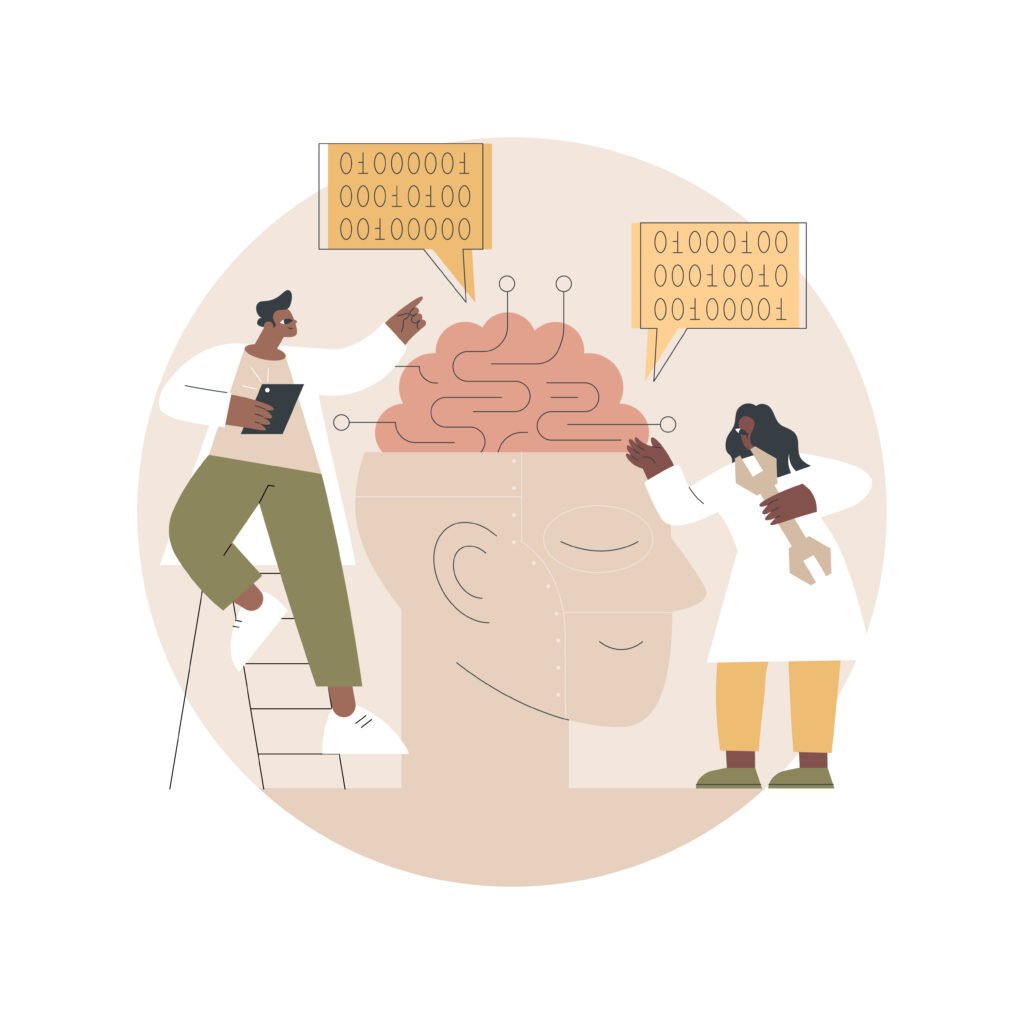
To make technology a support rather than a risk, a few mindful boundaries are essential:
1. Treat AI as a support, not a substitute
Use digital tools to supplement your mental health care, not replace professional help. Therapy involves shared humanity, attunement, and trust — things no algorithm can replicate.
2. Protect your privacy
Choose trusted, secure apps. Understand what data is collected, stored, or shared. Your mental health information is deeply personal — it deserves protection.
3. Pair digital tools with offline care
Balance screen-based check-ins with real-world grounding: walks, movement, mindful breathing, creative activities, or conversations with people you trust.
4. Know when human help matters most
If distress feels overwhelming, persistent, or unsafe, reach out to a trained mental health professional. AI should never be the only place you turn during a crisis.
Technology as a Bridge, Not a Destination
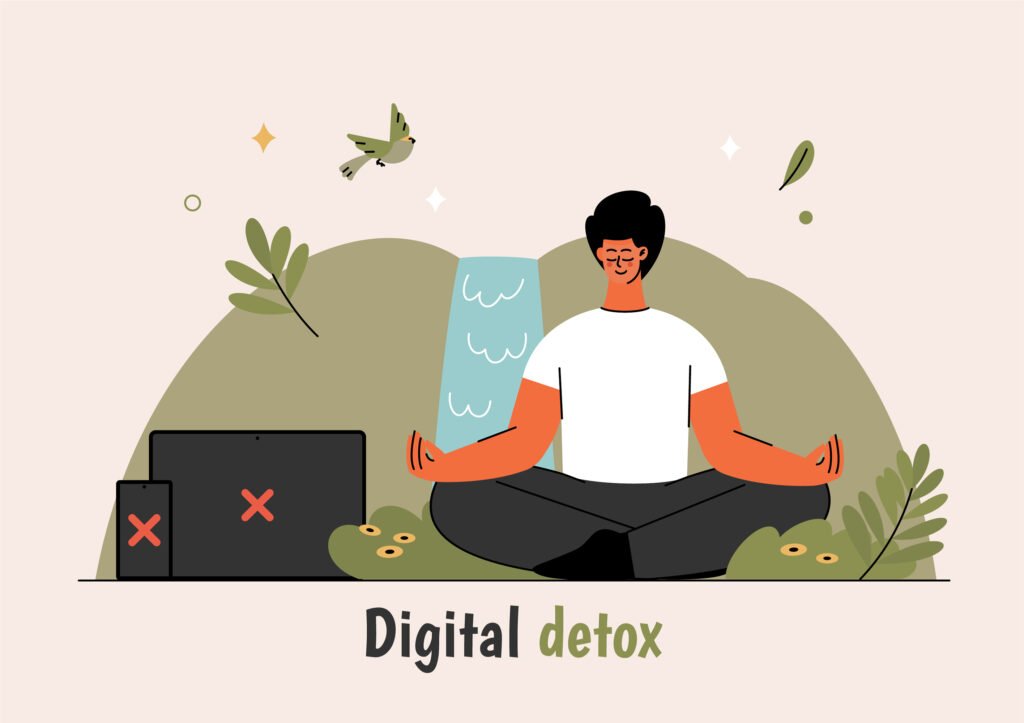
Technology can expand access, normalize conversations, and offer daily tools for reflection. When used consciously, AI can be a helpful companion — reminding us to pause, check in, or breathe.
But healing does not happen in isolation or automation.
It happens in relationships.
In being seen.
In shared humanity.
AI can extend the tools of care, but the heart of healing will always remain human.
Suggested Activity: Digital Boundaries Check-In
Once a week, take 10 minutes to reflect on your technology use for mental health:
- Which apps or tools helped me feel calmer or more aware?
- Did any increase anxiety, comparison, or dependency?
- How did I balance digital support with offline care?
- What would “healthier use” look like next week?
This simple reflection helps ensure technology stays supportive, not overwhelming.
Final Word
Technology can support our mental health, but it should never replace our humanity. When used mindfully, AI can help us pause, reflect, and build awareness, yet true healing continues to live in connection, compassion, and care. Let digital tools assist you, not define you. Your wellbeing deserves presence, safety, and human understanding — always.
Credits: Therapist Devyanshi